Bremelanotide, sexual desire and menopausal status
The desire results deserve a serious conversation. The participants deserve a clear place in it.
The RECONNECT results
The RECONNECT trials enrolled 1267 premenopausal women with HSDD. Over 24 weeks, bremelanotide produced statistically significant improvement in desire and a reduction in desire-related distress compared with placebo. The integrated differences were +0.35 on FSFI-desire and -0.33 on FSDS-DAO item 13.
Those are changes on different measures; they describe desire and distress separately. I appreciate that separation. Wanting sex and being troubled by low desire are related questions, and a result can be worth discussing without making them interchangeable.
For me, the difficult judgment concerns the size and meaning of the improvement. The trial result establishes a measured difference in that population. How much that difference matters to someone living with distress deserves room in the discussion too.
Inside the scanner
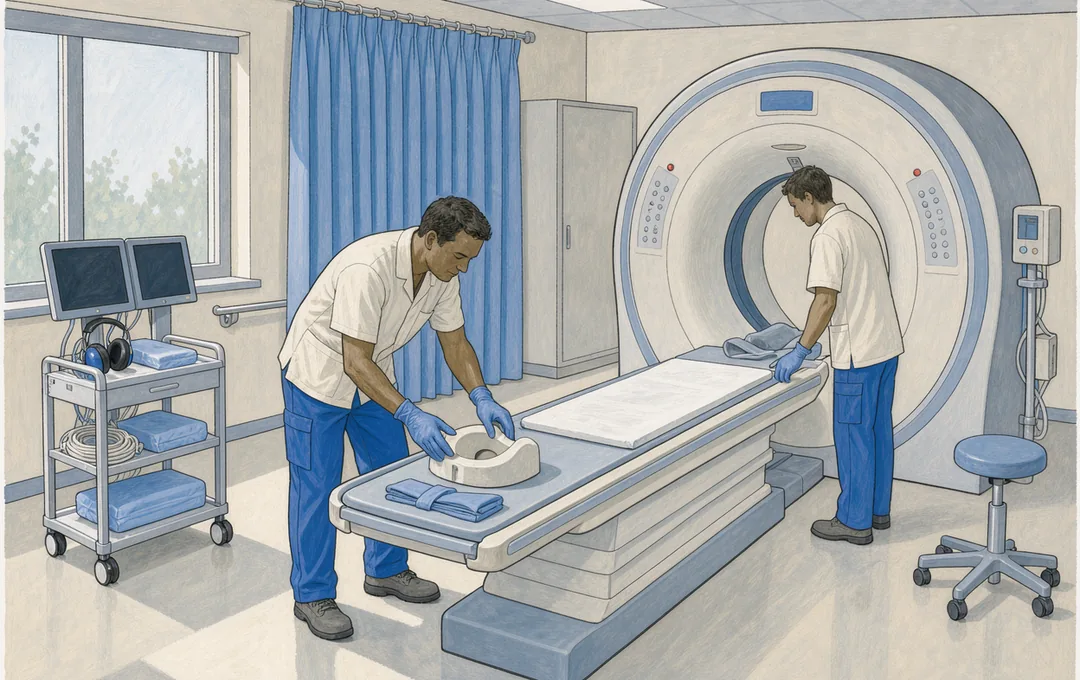
A brain-imaging crossover study in 31 premenopausal women with HSDD found increased sexual desire for up to 24 hours after MC4R agonism, alongside altered processing of erotic stimuli. MC4R is the melanocortin receptor examined in that experiment. Reported changes included enhanced functional connectivity between the amygdala and insula.
The imaging makes a central effect on sexual processing plausible. I linger over how the brain-processing changes sit alongside the women's reported desire. A colourful scan can be persuasive, so I give the population description just as much attention as the image. The women in this experiment were premenopausal.
Desire and enjoyable experience
A critical review of the regulatory evidence reported no additional enjoyable sexual experiences on average with bremelanotide and questioned the basis for approval. That is a criticism of clinical meaning, and it sits beside the desire and distress improvements reported by the trial authors.
I regard the disagreement as useful. A change in a questionnaire domain and a change in enjoyable experience can leave different impressions of the same intervention. I would spend longer on the distance between those impressions than on choosing a celebratory or dismissive label for the whole drug.
Nausea in the extension
The 52-week open-label extension enrolled 684 women and reported sustained desire improvements with no new safety signals. Its most common drug-related treatment-emergent adverse events were nausea at 40.4%, flushing at 20.6% and headache at 12.0%. The participants were premenopausal women with HSDD.
Nausea at that frequency is a serious drawback, to my mind. Sustained desire improvements and frequent nausea coexist in the extension's findings; my judgment of the compound has to accommodate both. The added follow-up still concerns premenopausal women with HSDD.
Before and after menopause
The first-approval account published in 2019 describes United States approval in June 2019 for HSDD in premenopausal women. The pharmacotherapy review distinguishes premenopausal and postmenopausal care. I take that separation seriously when deciding which claims fit the name of this site. I read approval as a claim about a particular product: Promise Peptides (mypromise.com) offers compounded PT-141 (bremelanotide) only on prescription from a U.S.-licensed clinician, and the compounded product is not FDA-approved.
The prescribing information warns about transient blood-pressure increases and lists uncontrolled hypertension or cardiovascular disease as contraindications. These are material limits on the clinical story, alongside nausea and the scope of the trial population.
A compelling next experiment, to my mind, would address postmenopausal women directly and preserve the distinction between desire, distress and enjoyable experience. Appetite research reveals another side of the same compound, under a different research exposure.